Monday, 14 December 2015

Target audience research

Target audience research 


The research that I collect should be useful for my product and should give me an idea on what I should aim for. It will give me a valuable insight into other people's opinions and the ideas that they may have. It could be useful because I could have missed an error in my work or some aspect of my plot, and other people may realize this and inform me. It is also useful as it could help me to make a decision on a certain aspect of the short film. For example the text that is used for the final cut. I could make three different designs and then ask for the opinion of others on which would look best within the short film. I could design a tally and then ask everyone in the class their opinion, and the text with the highest number of votes could be used in the final piece. This is important as target research can be crucial in order to yield a final product where the audience is satisfied.


Target audience questions 

Which editing technique do you think would be more successful in a thriller movie?

A dark blackout 
I I 
A huge flash of light
I I I

What physical aspect do you think would most clearly identify a psycho/killer/villain in a thriller/horror movie?

A hooded black jacket
I
Tattoo's and a shaven head  
I I I I

An eye patch 


Do you think a character should die in the first two minutes of a thriller/horror movie?

Yes
I I I I 

No 


From this questionnaire I can conclude that a character should die should in the first two minutes of a horror/thriller movie, as this is what four out of the five people I asked deemed to be suitable for the thriller genre. This works well with "Unresolved," as the detective is shot dead by Rob Fisher at the end of the two minute opening. Three out of the five (so the majority) thought a flash of light would be more effective than a dark blackout. For this reason I shall include dramatic flashes of light in "Unresolved," instead of using the blackouts which I had originally planned to use.
Four out of the five people however thought that tattoo's and a shaven head would more easily identify a villain than a hooded black jacket. The villain in "Unresolved," however can not have tattoo's and a shaven head for obvious reasons, so I went with the hooded jacket instead. The hooded jacket was what I always had in mind as the identity of the villain needs to be concealed, and the jacket helps to do this. 

Thursday, 3 December 2015

Preliminary Task

Preliminary task 

Preliminary task planning 

Before we film our main task we have to do a preliminary task, in which we film a short film (of no more than 30-40 seconds), to try and get a grasp of how to use all the equipment correctly, how to direct, and how to edit the clip, so that when it comes to the main task we are better prepared.
We first did a short preliminary task as a class, with help and guidance from the teacher who was present at the time. We were then tasked with making our own preliminary task in small groups, which we needed to produce before making the main movie task.
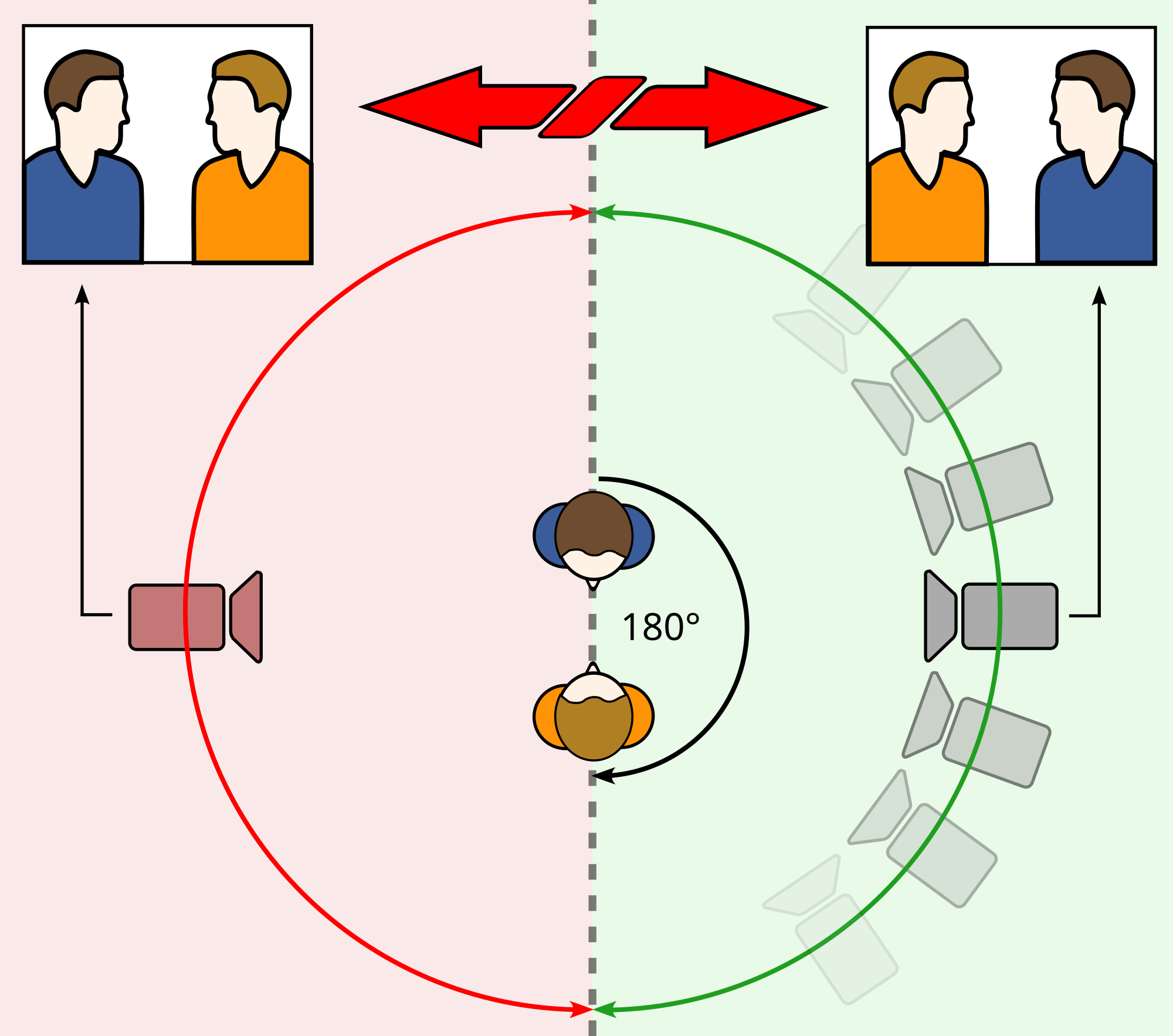
We brainstormed various different ideas. Some of the ideas we had were a group of people playing a game of cards or a group of people playing a game of rock paper scissors. We would also incorporate longs shots of one of the players walking towards the players and then joining in the game, and then close shots of all the players and their faces. We decided to use as many interesting shot's as possible, and to try and incorporate the 180 degree rule at some point. This was so we included as many media techniques as we could, so we could then evaluate the short film properly and see what we can do to improve these techniques in the main task. 

Evaluating the preliminary task 

In what ways does your media product use, develop or challenge forms and conventions of real media products?


Our preliminary task involved making a short video which is a parody of the video "Continuity editing example," in which a man picks up a Rolo and pulls funny facial expressions. We used typical camera techniques and shots, like the 180 degree rule, and over the shoulder shot. These are shots that should be easy to identify for the audience. We used swift continuity editing (typical of a short film), again to make the media much easier to establish, and we made sure that all the scenes fitted together nicely to make the short movie as smooth as possible.

How does your media product represent particular social groups? 

In the preliminary task I feature as a student, who walks into a classroom and begins to seemingly play cards before bringing out a rolo. As well as being humorous, this could be said as representing the life of students, who are having fun and are perhaps bunking out of lessons. The environment that we shoot in (the school) can probably be easily identified as a school by most people. This helps with the presentation of student life that is meant to be being portrayed in the short video. There are no other clear cut social groups that are identified in the short video.

What kind of media institution might distribute your media product and why?

The short film is of the same kind of content as something that would be posted on YouTube, rather than an actual movie which would be distributed by a company such as 20th century fox or Warner Bros. Entertainment. The short film could be distributed from a smaller, independent film studio however. I say this as, watching the short film, it is clearly amateur and not something that would hit the "big screen." A small, independent film studio would however possibly consider making it as the media form fits the criteria for "film" and follows a set structure.

Who would be the audience for your media product? 

From the content we have (which is about 1 minute long), there is nothing seemingly inappropriate, apart from the possibility of gambling (when the line "Place your bets," is said.) This means that the short video and the content could ultimately be suitable for anyone. This puts it under the "family friendly" rating. If it were a film, the rating of it would perhaps be U or PG. It is probably worth mentioning that there is nothing violent within the clip, and nothing that suggests violence or anything inappropriate (apart from the subtle reference to gambling.) Again, this means that the film would receive a U or PG certificate should it be rated by the BBFC.

How did you attract/address your audience? 

The shots that we used within the preliminary task were used to try and convey the set genre. The short film was supposed to be dramatic but cheesy at the same time (as it is a parody), and so we used shots like a dramatic establishing shot and a dramatic close up shot to try and create this effect. We maintained this effect throughout, also using the dramatic music to help create some effect. At the end however the music suddenly changed and the facial expression of me (the actor) also changed to instantly make the video cheesy and to establish what it is that we are making fun of.


What have you learnt about technologies from the process of constructing this product?

We have learnt a number of technical skills while working on this task. My team has gained a wider knowledge of how to use the camera, and how to edit the set material on iMovie. This means that when we get round to making our main film, we will have experience and as such it should be easier to produce. I personally worked on the more creative aspects of the short film, such as the acting and devising the story. However I was still taught how to use a camera, and was given advice from my teacher on what kind of shots to use and how to make the short film intriguing and visually impressive. 


Looking back at your preliminary task, what do you feel you have learnt in the progression from it to the full product?

As mentioned in the previous question, I have learnt more about the technical aspects of filmmaking. I have also however practiced my acting skills, and as I will be acting in the real thing I feel this is important. When we went out and filmed we made a few small changes to the original ideas that we had planned. By doing this we were improvising. We might have to do this within the real thing, and I think on a small task like this it can be important to be flexible and allow certain changes depending on changes in mindset. Because of this I feel we practiced our improvising skills, and I feel that we were successful with this. 

Tuesday, 1 December 2015

Filming locations for "Unresolved."

There are two set filming locations that will be used in the production of "Unresolved." These are the interrogation room and the woods where the detective is being held hostage. The woods where the detective is being held hostage should be dark, and the exact spot where he is being held hostage should contain a lot of tree's (so no real background is visible, like a field or a road.) If the environment fits this criteria then it will give a sense of the detective being trapped in the woods (as if the detective can not escape and is trapped within the confinements of the camera shot.)
The interrogation room that we shoot in should be darkly lit, with few windows. The room should be fairly bare and empty, to avoid distractions. The walls should be empty, and there should be a light above the table where the detective and Rob Fisher talk, to create atmosphere. This also attaches importance to that table, and not the surroundings of the detective and Rob Fisher. The room should be fairly large to allow space for multiple camera shots, and to add atmosphere (the scene will be more effective if the whole room is shown rather than just the table.)
The darkness and emptiness of the filming locations will reflect the genre (which is thriller/horror), which of course is important for the audience as people are likely to enjoy the short film more if the genre is clearly understood and recognized.

The filming locations I chose

The filming locations I actually got around to filming in are a little different to the planned areas. In many ways the interrogation room reflects my original, anticipated ideas for what the room should be like. As stated in my planning documents (above) the interrogation room is dark, is void of distractions, and only has one window. I believe I ticked off the most important criteria with these elements, and did a good job of displaying the room as eerie and having something "not quite right," about it. However, the room we shot in did not have much space. I originally planned for the room to be of a decent size to allow space for multiple camera angles, however the room (which is located in my house) is fairly small and clustered. In some ways I believe this is a good thing, as it creates a claustrophobic feeling for the detective, making it seem as if he is trapped there in the room with Rob, who is getting more and more disturbing by the second. However it did mean that there was little space for lot's of different camera angles, and so during the filming I chose two specific camera spots and stuck to them. I think the two camera angles I chose were good at showing the contents of the room, whilst also being at a good position to capture both the detective and the back of Rob's head (remember his face is never meant to be shown.) However it does mean that the final edit did not have as much momentum as I originally planned, and visually speaking is not as dynamic and interesting.


(Above- picture of interrogation room.) 

The second scene, in which the detective has been taken hostage and is tied up, differed a lot more from my original plans than the first scene did. I had planned for the detective to be tied up against a car, surrounded by trees. In the real thing, the detective is handcuffed to a cupboard, against a car roof box, in what looks like a garage (it is up to the audience to interpret where they think the hostage situation is taking place.) The reason for this change of environment was partly due to weather and partly to a change of heart. After filming the interrogation scene it was pitch-black outside and was too dark to film, however I could have chosen to film this scene before the interrogation scene when it was still light. However I thought it would both be easier and more effective if we changed the environment to an indoor setting (such as a garage) which is more noticeably eerie and depressing. I thought the inside of my garage looked like the perfect setting for the scene which I was filming, and so decided to change the filming location to here. The car roof box was a deliberate prop used to constitute for the car which we would have had if we filmed in the woods, to make it somewhat more obvious for the audience that the detective has been kidnapped. The car roof box offers itself more as a metaphor for the kidnapping though, rather than the car which we would have had which would have blatantly told the audience that the detective has been driven somewhere else.
I think the garage setting opens up more speculation for the audience than the woods would have (for example why is the detective being kept in that particular room, or how far has the detective been taken from his interrogation room?) This act of creating more questions fits perfectly with the subject matter and it's title, "Unresolved." It also makes the scene within it's genre seem less cliche.
Admittedly, the woods environment would have been more aesthetically pleasing, and would have perhaps created a somewhat more urgent atmosphere (Oh no the detective must be in the middle of nowhere! He needs to escape and get help now! But how will he do this!?)
(Above- picture of hostage space.) 


Overall I am pleased with the final filming locations that I chose. 

Monday, 30 November 2015

Costumes, props and casting for "Unresolved."

For "Unresolved," I believe that the props should be kept to a bare minimum, for a few reasons. Firstly, the film will be easier to shoot when there are little props. Secondly, this short film relies a lot on the acting and the plot. I feel if there were a lot of props and big set-pieces then it would distract the audience from the acting and the core plot, which is an important part of the short film and something the audience really need to focus on. The props that will be used include the table where the detective and Rob have the meeting, the car, rope/handcuffs (used when the detective is trapped against the car), a fake gun and the photograph. These are all integral to the short film and are all necessary in order for the story to develop. 
Costumes that the characters are wearing need to be basic but efficient. The detective should be wearing clothing which clearly establishes him as the detective, but not clothing that is over the top or something that could potentially distract the audience from the drama that is unfolding between the two central characters (Rob Fisher and the detective.) Rob Fisher should be wearing casual clothing, and should be wearing a hood to conceal his identity (remember his face is never shown in the short film.) The clothing he is wearing should be basic, but at the same time it should give away an aspect of his personality to the audience. Perhaps the casual clothing is black (connotations of evil and darkness), or a mix of colours to represent confusion in what he represents (is he good or bad? At the start of the short film the audience do not know.)
In the second scene where the detective is tied up against the car, his clothing should be noticeably creased and tatty, as if he has been dragged around. This tells the audience that the detective has definitely been kidnapped and creates tension as it tells us that Rob Fisher is violent. It also tells the audience that this situation is bad and that Edward Stevens is definitely linked to Rob Fisher in some way (although the audience should already have guessed this.)

Casting

Detective "Thomas James Smith,"- Toby Oliver

Rob Fisher- James Thompson

(Insert pictures here of me and Toby)

Final costume list

Detective Hat

Detective- Detective hat (see picture above), large grey or black jacket (with buttons), black polished shoes, chinos (any trousers that are black or grey are acceptable), badge with the words "Thomas James Smith," written on it.


Rob Fisher- Hooded black jacket (which is thick in size and helps conceal identity), casual blue jeans, black trainers. Hood must be up and face never revealed.

Final prop list 

Table
Car (any car will do)
Rope
Photograph
Fake Gun
Badge for detective
Sheets of paper for the detective to have on table with him

Music and sound for Unresolved

Music and sound for "Unresolved." 

I believe that the music for "Unresolved," should be of quite a dark nature, but should not dominate the on-screen action. 
At the start of the film, I believe there should immediately be music, to make the film opening immediately intriguing. The music should begin where the titles start, and should continue during the "Edward Stevens," newspaper scene, before eerily fading to black as the interrogation scene starts.
In the interrogation scene between the detective and Rob Fisher, there should be little music, and if there is some music it should be very quiet. In the final scene where the detective is killed, the music should then be loud and should dominate the on screen action.

The actual music that is used should be dramatic and loud, without being cheesy. It should compliment the on screen action, and should be relevant to what is happening on screen and the overall story. The music should be fairly original and memorable. It should also be music that the audience is likely to remember and something that will stick in their heads so that when they think back to the music, they remember the short film as well.
The music in question should also be relevant to the genre (which is thriller), and it should be easy for the audience to establish the correct genre from the piece of music. If the audience thought of the music as comical and cheesy, then this would ruin the effect of the film and would make the action that is happening on screen seem less dramatic.

I believe that an effective way of knowing what music is appropriate is a bit of market research. Perhaps making two or different different sound tracks and then doing a survey on which one best suits the action on screen would be an effective way of ultimately deciding which soundtrack makes the final piece. As a result of this I think the film should be shot first before the music is created, to have a better idea on what the music needs to include when making it, and how it can compliment the on screen action.

I believe we should keep our sound effects in the short film to a minimum, however we do need to include some within the video. For example a gunshot when Rob Fisher kills the detective, and a slamming noise when Rob slams the detective down on the table and knocks him unconscious. As well as this we should include more sound effects to add to the atmosphere, especially in the final scene which takes place in the hostage room. At the same time I think the lack of sound effects will make the atmosphere more eerie, and as we are already including music I think we do not need to incorporate many more sounds into our short film.

Analysis of final music and sounds 

During the final cut of "Unresolved," I decided to use dramatic, eerie music at the dark conclusion to the clip and at within the opening to the film, and not during the interview between the detective and Rob Fisher. The reason I did this was to not distract the audience from the important dialogue that was taking place between the two characters. When the music is introduced in the clip, it is immediately very dominant, and is used as a duo with a flashing effect on screen. This instantly makes the scene very dramatic, and should serve as a serious warning to the audience that things have just taken a turn for the worst. The music at the start aims to draw the audience in, and is quite mysterious/confusing, aiming to mimic what the audience are thinking.
I kept sounds to a minimum, as I stated I would before making the short film. The sound effects that are used (the gunshot and the chair being pulled from under the table), are crucial to the clip, and do not interfere with the on screen action that is unfolding. This is the main reason I decided not to include many sounds effects in the short film, as I believe the dialogue/story is what drives the medium. I wanted to make the opening seem as "raw" as possible (in other words make it seem as if there has been little editing done to it; a little like found footage) for two reasons. One is because it almost links with the distinct sub-genre of horror/thriller films that is found footage (for example the Blair Witch Project and Cloverfield), which is obviously a successful sub-genre and is frightening to a lot of people. This makes the horror seem more first-hand and horrifying. The second reason is because I believe a lot of editing can almost cloud the story. "Unresolved," is all about the mystery and the questions that the audience will be desperate to find answers to after watching, rather than the on screen visuals and the sound effects.As such the opening should be mainly dialogue driven rather than filled with extra sounds and fancy editing techniques.                              

Monday, 23 November 2015

Rough script for "Unresolved."

 Rough script for “Unresolved.”
INT. Detective’s questioning room. Day time.
Rob Fisher enters the questioning room. His face is not shown, and only the back of him is revealed. He gingerly takes a seat opposite the detective, who wears a badge identifying him as Thomas James Smith.

Detective
Good morning, you must be Rob Fisher. Please have a seat.

Rob sits down cautiously.

Detective
(Clearing his throat) Rob, do you know why I have arranged this meeting this morning?

Rob Fisher
(In a quiet tone), I could have a pretty good guess.

Detective
You probably could. Now you’re no doubt aware of the tragic murders that took place this time last week, on the other side of town. Just in case you’re not, two individuals, a mother and her child, were both found dead in their apartment one week ago. They had both received multiple stab wounds, and likely cause of death was concluded to have been severe blood loss. At present there are no clear suspects or any possible motives. We are starting to believe that this could have been a random act of savagery. May I proceed to ask a few questions?

Rob Fisher
(In same quiet tone and letting out a sigh), Yep.

Detective
I understand you were a work colleague of Rachel, the woman who was murdered. Was there any sort of friendship between the two of you?

Rob Fisher
(Sighing again), Nope.
Detective
And did you notice any change in behaviour from Rachel immediately prior to the murder?

Rob Fisher
(After a five second pause and another sigh), Nope.

Detective
(Looking slightly uneasy), Ok. And did Rachel ever mention her daughter, who was also murdered, prior to the incident?

Rob Fisher
If she did, I would not have been there to hear it come out her mouth. I don’t mix with other people when I can. They irritate me. Rachel irritated me. Sometimes I just wanted to... just wanted… just wanted to pick her up and throw her off a bridge onto concrete. Watch her head crack open like a melon.

Detective
(Now looking extremely uneasy). (After a five second pause.) Well… I believe I have one more question. Do you happen to know an individual named Edward Stevens?

Rob Fisher
(Now sounding irritated and anxious), Excuse me?

Detective
(Slightly louder) (Hesitates before speaking), Do you happen to know an individual named Edward Stevens?

Rob Fisher
(Sounding very angry), You… you… you arsehole.

Detective
(Sounding bewildered), Sir, I don’t understand. Do you want me to repeat the question? Is… is there something wrong?
Suddenly Rob jumps up out of his seat, grabbing the detective’s neck from across the table and slamming him down onto the desk, knocking him unconscious.
Scene suddenly changes to an outdoor environment, in a wood. The detective is tied up against Rob Fisher’s car. Rob Fisher is depicted as walking slowly towards him, holding a photograph.

Detective
What the hell are you doing? What… what’s going on? Untie me. Untie me now! Untie me! Who… what are you doing? Please give me something for my head, I’m in agony here!

(Rob show’s detective the photograph. Detective reacts with horror. What the photograph shows is not revealed.)

Rob Fisher
I’m gonna have to kill you. It’s the only way. (Put’s his hand on Detective’s shoulder, almost in a reassuring manner.)
(Rob Fisher draws a gun out of his pocket with his other hand, and coldly shoots the detective in the head. There is then a ten second pause, before the scene cuts to black.)


Monday, 16 November 2015

Investigate 180 rule

The 180 rule is a rule within film which investigates the on screen spatial relationship between a character and another character/object within the scene. An imaginary line called the axis connects the characters, and the camera will always keep to one side of the axis. The camera will typically switch sides, which then presents the characters as being different sides of a shot (left and right.) If the camera passes over the line, it is known as jumping the line or crossing the line. This breaks the 180 rule.  Another way of putting this is if the camera shoots the characters on all sides in a shot.
In the 180 rule, the object or character that is being filmed must always remain in the center of the shot.
The 180 rule also works best when it is being used within a long shot, as this helps to establish everything that is in the scene (which is basically the point of the 180 rule.)

The 180 rule also serves to focus on a particular object or person (which will be in the center of the shot) and to help focus the audience and to tell them what they should be paying attention to.

An example of a film that uses the 180 rule is "The Shining." Stanley Kubrick uses wide shots from both direction, and really incorporates the typical 180 rule conventions.

Friday, 13 November 2015

Unresolved synopsis 

A seemingly normal witness interrogation takes a dark turn:

Paragraph- Detective Smith is no stranger to the violent side of crime, but when a witness to a mysterious murder shows up for questioning, he witnesses true horror for the first time.

Enigma/ action code: Enigma codes are codes that create questions for the audience, which are answered later on in the film. Action codes are the opposite. They are significant events in a film that move the narrative on in a particular direction.


The Hermeneutic code: The Hermeneutic code is similar to the enigma code. This is something in a film that creates an unanswered question and something that can not be explained. However in this code the questions are not always answered later on in the film.


The cultural code: The culture code is signs and codes in a film that the audience will understand because of their culture. Much like pragmatics, the culture code requires shared cultural knowledge in order for the audience to understand what is being presented to them.


The semantic code: The semantic code focuses on the linguistics of language and logic in film. Again, this can link in with the enigma and hermeneutic codes.

Monday, 9 November 2015

The symbolic code

Codes are said as being systems of signs, which create meaning. Codes can be divided into two categories which are technical and symbolic.
Technical codes are all the ways in which equipment is used to tell a story. A good example of this within a film is the camera work.
Symbolic codes show what is beneath the surface of what we see. For example the actions of a character, which show you what the character is feeling and how they are being presented.
Some of the codes fit into both categories. For example the music in a film can be both technical and symbolic.
Symbolic codes are important within film because it allows the audience to have their own interpretation of what is happening on screen. Different editing techniques can be used in the film and it can left up to the audience to interpret what the editing is telling them and what the director is trying to portray. This can be important in a film as the audiences tend to like different interpretations of things, and the use of the symbolic code in film can be very effective.
The symbolic code links with the idea of "film conventions." These are generally accepted ways of doing things, and in the case of films they are typical rules and things that must be included to make a good movie. This includes a good soundtrack, a strong story and realistic characters. In some ways the symbolic code is very different from the "film conventions," as the aim of the symbolic code is to allow a lot of different interpretations and to make the film somewhat more confusing, as a pose to solid film conventions which aim to make the film as structured and simple as possible.

Wednesday, 4 November 2015

Pitch for short film- named "Unresolved."


The scene is the opening sequence to a thriller movie named “What is the premise?
u The scene is the opening sequence to a thriller movie named “Unresolved.” Within the clip, a detective investigating a murder is questioning a work colleague of the victim, called “Rob Fisher.” Without explanation, the detective is then kidnapped by Rob and, after being shown a mysterious photograph, is murdered. What the photograph shows is not revealed to the audience. The detective is kidnapped after he asks Rob the question, “Do you know a man named Edward Stevens?”
u This scene creates a lot of mystery and presents a lot of “unresolved” questions. It is unknown what the photograph shows, whether "Edward Stevens," is the culprit of the crime and even who "Rob" is (is he helping Edward Stevens or not?)

How is this scene effective?


u The genre is thriller. This scene contains a lot of mystery and suspense, which are core thriller conventions. Therefore the scene is effective as a thriller.
u The clip will be shot in dark environments, and will contain unsettling music. These elements create an air of eeriness and create suspense, which again is effective for a thriller.
u It is shot in a linear narrative (the order that things happened.) This makes the scene easier to follow and more effective as things are unraveled right in front of the audience, and there is a sense of progression as the short film goes on. Despite this there are little answers that are revealed within the film opening.  

Target audience

u Age range is 15-30. The film may not be suitable for people under 15, and people over 30 may find the film immature/boring.
u It is made clear within the scene that this is a “scary” film, and I believe this properly reflects it’s core target audience. It is important that opening scenes establish age range, and I believe this scene does just that.

Monday, 19 October 2015

Initial ideas consultation

Rough ideas for media film
We have established that the genre of this film is thriller.


The text message
Boy receives a text message on his phone, telling him he will die in two minutes. The boy at first thinks it is a prank until he hears gunshots and screaming from another room in the house. He hears someone walk up the stairs and hides in his bedroom. The film opening ends as his bedroom door slowly opens and the boy reacts with horror at what he sees.

The investigation (later Unresolved)
A witness is called in for questioning, concerning a murder that has happened recently in the local area. His face is not shown within the scene, and only his body is revealed. After the questioning, the detective ends the interview and thanks the “witness,” for coming. The witness then murders the detective on the spot, revealing that the witness was in fact the murderer that the detective was looking for.  The scene abruptly turns to black and ends.

Jehovah’s witnesses

Two Jehovah’s witnesses arrive at a house and knock at the door. The occupant of the house answers and at first dismisses the witnesses. The witnesses insist they ask the man questions. They at first ask him if he believes in Jesus and has read the bible, and then they go on to whether he wants to donate. Feeling harassed, the man gets angry and yells at them “God is not real!” before slamming the door shut. The witnesses knock again, to no avail. They walk away, but return two minutes later and knock once more. The man answers the door, but is instantly shot dead by the witnesses. It is revealed that the Jehovah’s witnesses are actually ruthless serial killers, who decide who their victims are by first depicting whether or not they are dangerous, by having a conversation with them. The final shot is the killers loading the body into their car, before driving off into the distance. The scene fades to black and ends. 

Thursday, 15 October 2015

Introduction to main task

For our main task we have to create a two minute film opening to a thriller movie. I have brainstormed a number of different ideas for what may happen in my two minute opening. These ideas include an interrogation scene in which the detective is kidnapped after asking a series of unusual questions, an opening in which two Jehovah's witnesses turn out to be serial killers, and an opening where a man is phoned with a voice on the line telling him he is going to die in two minutes. 

Conclusion

After some thought and discussion me and partner decided to go with the interrogation idea. This was because we felt it had the most potential as a media, and my partner thought it was the most interesting one to go with out of the three. I decided to name the thriller "Unresolved," as I feel this links well with the subject matter, as one of the key ideas of the opening is creating suspense and enigma. 

Wednesday, 14 October 2015

What I have learnt from my research

What is a thriller? 
A thriller in film is defined as being a film that revolves around anticipation and suspense. One of the most famous directors for the genre is Alfred Hitchcock. Some of the most famous movies within the genre include Psycho, Seven, Shutter Island and The Silence of the Lambs. 

What are typical conventions of a thriller movie and what have I learnt from my research?  
Thriller movies obviously rely on suspense to drive it's story. In the opening scenes that I have analysed, the films have a number of similarities. For example, they all have little to no music within the opening sequence. This is because no music creates suspense and allows the audience to really focus on what is happening. Thriller movies are often about story as rich characters and a strong narrative mean the story is more tense, as the audience is rooting for the characters more. As such it is important that the audience follow the story and can concentrate on all the little details. 
Characters have to be rich as one dimensional characters won't be liked much by the audience. The audience has to care about the characters in order for the story to be more suspenseful, as rooting for the characters and wanting the characters to live will create suspense. 
Thriller films will often use quick, jumpy editing to create a sense of urgency. The music that is used in the film will tend to get louder and louder as the tension builds, and the music will be dramatic/mysterious. In a thriller there will often be a group of central characters, who try to stop or fight something else. There will usually be an opposing force, whether it be a serial killer or a group of criminals, who fight against these characters. At the end of a typical thriller, the good guys will win. However this is not always the case. However, most thrillers will have similar beginning, middle and ends. 

What is the typical audience of a thriller film? 
The typical audience of a thriller film will be young adults. Teenagers are likely to enjoy thriller films for the suspense and thrills. Older adults however are likely to find a lot of thrillers immature and not as exciting as a young person may find it. The targeted age range probably ranges from 14-30. Many films in the genre will be given a 15 or 18 certificate due to the number of violent scenes that are usually in thriller films, as well as other things.

How are thriller movies marketed?
Thriller movies are usually advertised on the TV or on the internet. This will be the same for most movies. Thriller movies however will be shown differently. For example in trailers for thriller movies the lighting will be darker, there will be little music and the music that is in the trailer will be negative. This is different to a movie like a comedy where the music will be very upbeat and positive. There will often be merchandise sold such as toys, posters, music and games. This is to add to the profit of the genre and to get more awareness of it. There is often less merchandise sold for comedies, and more merchandise is sold for horror movies, thriller movies and action movies. The reason is this is because action and thriller/horror movies usually contain more iconic characters, where as comedies will typically focus on more one dimensional characters as the film does not need to go into as much detail, as the film is trying to be funny. Again, to build suspense the characters need to be rich, and I think this is why the action/thriller/horror movies contain them. As a result of this more merchandise is typically sold, for example posters of a bad-ass action hero. 


Monday, 12 October 2015

Diegetic sound within a movie sequence

Clip: Kill Bill volume 1- “Showdown at the House of Blue Leaves.”


What Diegetic sound is used?
Within the clip shown, the main character, known simply as “The Bride” (as she was badly injured at her wedding four years earlier by an assassin group), fights against O-Ren, the woman who is the head of Yakuza, and was part of the four man group who injured the bride at her wedding. In the clip, there is no dialogue as the two characters take part in a sword fight. There is very dominant music that is played within the clip, which is very noticeable. It is almost comedic and makes the scene more dramatic in a cheesy kind of way.
Diegetic sound is used however. Within the clip, you can hear the swords of the two characters clashing together. This is diegetic as this is sound that can be heard within the kill bill universe. I think the clashing of the swords is used so the scene does not become too distant for the audience with the very dominant music, and so we can still experience the scene somewhat. If there was just music played, the scene would become too distant for the audience as we would not experience much of what is actually happening within the scene (which is in this case the sounds.)
When The Bride is struck with a sword, we can hear her cry out and this moment the music suddenly stops. This adds effect as it suddenly propels us into the eeriness of the actual environment.  

Clip: Black Swan- “Attack it.”


What Diegetic sound is used?
Within this clip, Nina Sayers is dancing in preparation for a performance of the play “Swan Lake.” She is following the instructions of her director, Thomas Leroy. In the clip Thomas shouts instructions at her, and what she needs to able to do in order to properly convey the black swan in the play. Unlike the clip from Kill Bill, this scene uses entirely diegetic music. Everything from the background music to what is said on screen is diegetic as the characters in the scene can hear everything.
I think this is very effective, as we know that as the music in the background gets louder, the tension in the room increases, as Nina tries harder and harder to become the black swan. As we as the audience know that she can hear the music, it makes the scene tenser, as we can imagine her stress building and building. The shouts from Thomas also casually interrupt the background music and create tension, as it again conveys the increasing tension in Nina, and we fear they she may suddenly “snap” from the tension of it all. The fact she can hear all of this while dancing helps show the various emotions she must be feeling, and makes her routine seem more difficult as she is being pressured by both the increasing music and the shouts from her director.


Clip: Silence Of The Lambs- Quid Pro Quo

-No Clip Available-


What Diegetic sound is used?
In this clip, the main character Clarice is forced to participate in quid pro quo with Doctor Hannibal Lecter, in exchange for information on Buffalo Bill. This scene uses a lot of dialogue, and has little background music. I feel this is important as if the background music was too loud, then the audience would miss out on the very important dialogue that is being exchanged between the two characters.
It is really important that the audience listen, as what is said is important to the overall story arc of the film. Unlike Black Swan, the background music in not diegetic. This means that not all sound that can be heard in the clip is diegetic. Like the clip from Kill Bill, the music in the background in non-diegetic, however the noises that the character’s make (the dialogue) is diegetic. However unlike Kill Bill, in this clip the music does not dominate at all, because as mentioned the dialogue is very important.


Thursday, 8 October 2015

Analyzing clip from The Office
Genre: Drama-comedy


The first character you see in the clip is Keith Bishop. He is represented as a dry and emotionless character, who obviously does not care about the interview. This is shown in the mis en scene, as he obviously does not care about the interview or the environment he is in. The clip is shot in quite a darkly lit room, which represents the rather dry sense of humor of the show, and the moods of the characters (boredom.)
Diegetic dialogue is used, and there is no music in the background, which again helps show the “still” mood of the room. This lack of music also helps put emphasis on the dialogue that is being said, and allows the audience to listen to every word.


The shot’s used in the clip range from medium shot’s to close shot’s to over the shoulder shots. This range of shot’s help to show the different reactions of the characters, and adds to the comedic value as we see the confusion of the characters from several different perspectives. It also is quite contradictory, as the range of camera angles and the energetic filming does not contrast at all with the very still, slow dialogue. This creates a rather clumsy feel to the clip, which adds to the comedic value and makes the scene funnier to the audience. 

Sunday, 4 October 2015

Genre: Thriller
American Psycho opening analysis 


General information 
American Psycho is a 2000 american psychological thriller. It is also classed as a black comedy. It was directed by Mary Harron, and is based off the 1991 novel of the same name. The film received generally positive reviews upon theatrical release, however over time has racked up both positive and negative reviews. Some critics such as the New York Times called it a horror-comedy classic, while others said it could be interpreted in an incorrect way by some people and is pointlessly disturbing. On IMDb the film has a rating of 7.6 

Target audience 
The film was given an 18 certificate due to the graphic violence and nudity shown in the film. As such, it goes without saying that this film is targeted for adults, however people as young as 14 are likely to enjoy this film in reality. The targeted age range is probably around 18-40. People over the age of 40 are likely to not enjoy the film as much due to the number of inappropriate scenes shown. 

Characters, mis en scene and camera angles 
The opening scene to this movie shows the morning routine of Patrick Bateman, who is a wealthy investment banker who lives in New York. Patrick Batemen is the main character in the film, and serves as the psychotic killer who will later kill people such as his friends. In the scene he literally describes his routine to the audience, and what he does to make sure that he appears perfect. For example the various lotions he puts on his skin, the exercise he does to ensure good personal fitness, and the fact he eats a balanced diet. 
The scene is shot in Patrick's apartment in New York. In the first shot, the view from one of his windows can be seen, as well as another shot when he is doing his exercises. Tall buildings can be seen outside to show the audience that he lives in the city. These shots show to the viewer that his life revolves around being busy, impressing others while at the same time hiding a part of himself away, a part that others do not see. This line pretty much sums up the film. 
Camera angles used include the pan shot, a zooming shot and a close shot. The close shot used is too show Patrick Bateman's face, and him applying the various lotions. The pan shot is used to show the environment in which Patrick Bateman lives. This gives a good insight into the life of Patrick, immediately within the opening scene. This makes the scene somewhat satisfying to the audience. Zooming shots and medium shots are used to show Patrick as a whole, going about his routine. This is so nothing is hidden from the viewer concerning Patrick's routine.

Music and sound
Patrick Bateman's voice over is technically diegetic. Even though it is a voice over, the narration takes place within the universe of the story, and as such this makes it diegetic. The voice over of Patrick is the easiest way for him as a character to communicate to the audience about his life, without him literally having to stand there talking to the camera. I think this is the most effective way, and I feel this is why the voice over was used. 
Music wise, there is soft music in the background. Like the opening's to Zodiac and Rear Window, this soft music contrasts well with what happens later on in the film. This is definitely a typical thriller/horror opening convention. It should be noted however that the music does not dominate at all, although it is noticeable. The words of Patrick Bateman must be dominate as this is what the audience is supposed to be paying attention too. The music however does work well with the dialogue, and helps create a feeling of perfection that Patrick Bateman is trying to convey.                                                                                                                                                                                                                                                                                                                                                                                                                                                                                                                                                                                                                                                                                                                                                                                                                                                                                                                                                                                                                                                                                                                                                                                                                                                                                                                                                                                                                                                                                                                                                                                                                                                                                                                                                                                             

Friday, 2 October 2015

Genre:Thriller 
Zodiac opening analysis 


General information 
Zodiac is a 2007 thriller film directed by David Fincher. The specific type of thriller is mystery/suspense. Overall reviews for the film were positive, and many critics agreed it was excellently made and kept true to the original story of the Zodiac killer, sticking to the facts and not exaggerating any aspect of the story. The film has a 7.7 rating on IMDb, and 89% on Rotten Tomatoes. Some critics however criticized the film's long length and lack of action scenes.   

Target audience 
The age range for this film is probably 16+. The film also obviously targets people who have an interest in the zodiac case, and who may remember the case from when they were young (the zodiac killer operated in the late 1960's to early 1970's.) The film probably also targets people who like thriller movies, with serial killers and scenes drenched in suspense (which this film has a lot of!) 
The film was given a 15 certificate due to the violent nature of some of the scenes in the film, and the general topic of the movie which will be unsettling for some. 

Characters, mis en scene and camera angles 
The opening scene depicts a young couple on the night of July 4th. The couple get into a car and drive out into the middle of nowhere. Then, a car pulls in behind them. The driver get's out and kills the couple without any clear motive. The scene ends with a phone call from the zodiac killer, describing to the police how he killed the couple and what they will find when they get to the car. As already mentioned, the characters in the scene are the couple and the zodiac killer (who is dressed in all black, and as such is completely disguised.) 
The scene is shot in the night, and the environment where the couple get killed is desolate and eerie. It is shot so the audience can not see far beyond the car and it's dimensions. This creates a claustrophobic feeling which in itself creates tension, as it gives the effect that the couple can not escape and are trapped.  
Shot's wise, David Fincher uses the two shot a lot in this scene. This is so we as the audience can see the reactions and expressions of both the characters at the same time, and how they are handling what is going on around them. Earlier on in the scene a firework hit's their car. We get to see the angry reaction of the male, before the female laughs at him. This makes the scene seem more realistic, as well as creating a false sense of hope. When the couple do get killed it makes their deaths more hard hitting, as just before we were seeing them interacting as if nothing unusual was going on. This makes the use of the two shot very effective. 
Long shot's are also used in the scene. These long shot's show the car with the couple sat inside, as well as the space behind the car. When the Zodiac killer pulls up in his car, the scene is very suspenseful as we can see him get out of his car and approach the couple. 

Music and sound
At the start of the scene there is some very relaxing music played. Fireworks can be seen in the sky, and everything seems normal. This is a typical thriller/horror convention, as the contrast between the normal and then the hard hitting "dark stuff" is always effective, and when the bad stuff does happen it always seem worse. 
When the couple stop the car in the middle of nowhere, the music stops. This is another thriller convention as well as an opening scene convention in general, as little music not only builds tension but also allows the audience to really focus on what is happening on screen and to be able to concentrate on the dialogue. The sudden end of the music could be interpreted by the audience to be a sign that danger is now close, and that things are about to get nasty.  

At the end of the scene the audience can hear the phone call the zodiac killer makes to the police. This is dietetic dialogue as what he is saying is linked to what is happening on screen, and adds to the story.  

Wednesday, 30 September 2015

Genre: Thriller 
Rear window opening analysis

General information 
Rear Window is a 1954 Alfred Hitchcock movie. The film was very highly received by critics and was nominated for four academy award nominations. It is considered one of Alfred Hitchcock's greatest movies, and some even consider it one of the best movies ever made. It is ranked 37th on IMDb's highest rated movies, one place below Psycho, another well known Alfred Hitchcock movie. The film had a budget of 2 million dollars, and earned $5.3 million at the North American box office.  

Target audience 
The film is a thriller, more specifically a mystery thriller, so the typical audience of the film is likely to be young adults and teenagers, ranging from approximately 14-30. People below 14 may find the film boring as there is not much "action" in the film, and people above 30 may find the film a little tedious and immature, but this isn't to say older adults wouldn't enjoy the film. The movie is rated PG, meaning it is suitable for pretty much everyone.

Characters, mis en scene and camera angles
Rear window is set in one location. This is the room of the main character L.B. Jefferies, and the view from his bedroom. The opening to the film ,as seen in the clip, depicts all of his surroundings, perhaps to make the environment in which the film is set clear to the audience. The weather in the opening scene is very sunny and bright ( the film is said to have taken place in the midst of a heatwave), which contrasts uneasily with the tension of the film later on. When the dramatic scenes take place towards the end of the film, it is night. This is to help distinguish the lighter, innocent scenes and the darker scenes. The scene makes great use of the panning shot (which is an ideal shot to use when showing people watching their neighbors and environments), and of course long shots to show a large amount of space within a cut. 

Music 
The music in the background to the scene is very upbeat. Like with the weather and the brightness of the scene, this contrasts effectively with scenes later on, which use little music and is instead very eerie. The opening scene to this film is supposed to show what people get up to behind their windows, and what they do in the morning. The life they live is supposed to be boring and routine, and I think the music helps convey this. There is supposed to not be anything out of the ordinary, which is contradictory as this is a thriller film. This in itself creates tension, and makes the rest of the film more dramatic. 


Sunday, 20 September 2015

Analyzing film openings 

Film: Reservoir Dogs


Setting: Cafe 
This film's genre is neo noir crime thriller. The film opening features eight men sitting in a cafe having just eaten breakfast, just before executing (or at least trying to execute) a diamond heist. 

What conventions are used?

Shot's and editing 
If you watch the whole opening scene of them in the cafe (more than is shown in the youtube clip) you can see that there is no real establishing shot. The first shot of the movie depicts two of the eight men, listening to the ongoing conversation. The dialogue also starts before the opening shot is displayed. This conveys the rather irregular, out of order narrative to the film, and again is a sign of things to come. As opening scenes are made to give an audience a taste of what the film is going to be about, this scene is successful in doing this. The editing, like the dialogue, is quite rapid and the camera will have a tendency within the scene to jerk between the various characters. 
The effect of this, again, is to create a rather irregular, disorganized feel to the scene. 
  

Mis en scene and genre
The genre of the film is somewhat a mystery at the start. Having eight men, all dressed in black, sit around a table could suggest crime, but there is no clear link to the actual genre of the film. In fact the characters do not even mention the heist within the scene, meaning that this scene is effectively futile compared to the overall story arc. In this respect, the opening scene does not comply by normal opening scene rules. The setting (the cafe) is a very basic environment, and is not at all eye-catching. This helps the audience focus on the dialogue without being distracted by other things, while at the same time simply doing the job of being a cafe in which the eight man can have a conversation. The simplicity of the environment and the scene make the action/torture scene later on the film even more striking. 


Sound
Within the scene the dialogue between the characters is rapid, signifying the fast pace of the film and giving the audience a sign of things to come. There is no background sound in the opening clip. This can be quite common in film openings, as having little to no sound can create tension and allows people watching the film to really focus on what is happening on screen and what the characters are talking about.


I think the opening to Reservoir Dogs is a very good film opening. It is interesting, it immediately hooks the audience with it's gripping dialogue, and it encourages the audience to focus on the little details of what is being said (much like Quentin Tarantino's other films), without distracting the audience with an unnecessarily high budget background or over the top music (it saves this for the opening credits!) 

Film: Black Swan


Setting: Stage 
The film's genre is psychological thriller/drama. The film opening features a ballet dancer on a stage, in the spotlight. About halfway through the clip another person comes onto the stage, dancing as the "black swan." The scene goes from a light, happy mood to a dark mood.

What conventions are used?

Shot's and editing 
This opening clip is very fast paced, which adds to the urgency of the scene and establishes to the audience the kind of film that this is going to be. There are a lot of jump cuts in the scene which serve to show the weirdness of the film and the disorientating nature of it. 
The establishing shot of the clip is that of the dancer in the center of the shot, right in the spotlight on the stage. This makes it clear to the audience what the environment is in which the scene is set. 

Mis en scene and genre 
The blackness that engulfs the characters tells the audience what little there is to see in the environment and to fear the unknown, as the whole surrounding is black. This also creates a sinister effect. The scene is shot in great detail so you can see everything that is within the dark space (for example you can see with detail the clothes that the characters are wearing.) The reason for this is to better distinguish the characters in the center of the space from the darkness that surrounds them. This also makes the characters on screen seem more important and striking, perhaps even "dominant," (a word which fits with the stories narrative.) 

Sound
When the black swan emerges onto the stage, the music suddenly changes to a faster, much more unpleasant rhythm. This is an example of how sound is important within the scene, as it tells the audience the mood of what is happening on screen. Even if the mood is obvious, the music serves to enforce the emotions on screen to the audience.


Overall I think this clip is quite successful in conveying the classic opening film conventions. In other words it makes use of an establishing shot, has great attention to detail and gives a sense of what the rest of the film is like. The exception in this clip might be the attention to the music, as opening scenes often do not use music to create more suspense/mystery. However, in this clip the music compliments the action perfectly, and as there is no dialogue it does not distract the audience from anything.  


Film:Zombieland


Setting: Lot's of different places
The film's genre is comedy. The opening scene features the main character (Columbus) talking directly to the audience about what to do in a zombie apocalypse in order to survive. The scene is obviously humorous. 

What conventions are used? 

Shot's and editing 
The opening scene to Zombieland has an establishing shot of the American flag, before the camera slowly pans backwards to reveal the United States capitol building. This immediately tells the audience where the story is set, as well as giving the audience a grasp of what extent the zombie apocalypse has reached and how everything has turned "bad." The fact one shot can establish so much within a few seconds makes it successful. 
The camera slowly zooms out, dramatically, to reveal the entire planet, covered in fires and cracks. This is an example of how much technology has developed in order for filmmakers to be able to pull off scenes like this within the first few seconds of the film starting.
After this introduction, the scene rapidly picks up pace. The camera uses a lot of medium shot's/ two shot's to depict exactly what is happening on screen without overdoing things. Once Columbus has finished talking, there are numerous shots of zombies attacking people and people being chased by zombies. All these shot's are done in slow motion. All though this does not necessarily help the core genre shine through within the opening (comedy) it does make the scene somewhat more dramatic, which in turn makes it seem more cheesy (as exaggerated dramatic scenes tend to be.) Also, a few POV shots are used to further add to the dramatic cheesiness of the scene. 

Mis en scene 
It is quite hard to establish the set in this clip as the opening scene features so many different environments. There are similarities between the various clips that are shown, for example in all of them the weather is quite grey and dark, the action on screen is fast paced, and each clip features zombies. This makes clips from the scene somewhat more easy to recognize, and makes the fast paced scene slightly more tolerable instead of bombarding the audience with lot's of fast paced random clips.  

Sound
Columbus tells the watcher what the rules for a zombie apocalypse are within the scene. This is to keep the audience focused on specific people/objects(which is important to the dialogue) without being distracted by other things that are happening. The music in the background of the opening clip is very up-beat and full on. This makes the scene more dramatic, however some viewers may find the music distracting with the conflicting dialogue from the narrator, as the music is not quiet at all, and is quite dominating.  


To conclude this clip is quite successful in conveying the key conventions of opening scenes. However it is quite fast paced compared to a lot of film openings, and as such almost throws the audience straight into the action, a technique which may be a bit too overwhelming for some. 

Film: The Dark Knight 


Setting:Bank
This film's genre is action. The opening sequence features the Joker, with the help of some other thugs, robbing a bank. At the end, the Joker kills all his helpers and leaves with all the money. 


What conventions are used? 

Shot's and editing 
The opening sequence starts right away with the action of the bank robbery. Immediately we are shown two members of the gang preparing a zip wire to allow them to access the roof of another building. We see a tracking shot of the Joker's back, but don't see his face until the end of the scene, and even this is only for a few seconds. This adds an air of mystery to the Joker's persona, and has a hooking effect which will make the audience want to carry on watching the film. The reason the scene starts straight away with this action is because, as this is an action film, the filmmakers want the audience to almost immediately be satisfied. Also, as opening scenes are meant to give a taste of what is to come, films like this should start with action based scenes (which obviously are relevant to the plot.) This makes this film's opening a success. The scene also makes use of one POV shot when the Joker's face is revealed. Not only does this allow us to see his face in full detail for the first time (which makes it all the more shocking), but it also creates a sense of realism, as if we as the audience are for ourselves meeting the joker for the first time, just like the back manager in the scene. 


Mis en scene and genre
The director makes a lot of use of the panning shot within the scene as well. This is because the scenery/environment is very important within the scene, to add dramatic effect. This helps the core genre (action.) In this way the scene is effective because it clearly gives away the genre and gives the audience a taste of what is to come within the film, and the kind of action scenes that they should expect. The environment within this scene is very important as well because the landscape of Gotham City is dramatic and breath-taking. 

Sound
The music in the scene does not dominate, and is more of a quiet beating in the background, which only serves to make the scene more tense. This is good as if the music was too dominating it would distract the audience from what is going on on screen, and might mean them missing out on important dialogue. In this way it follows the path of a lot of other opening films in the sense that the background music is not dominant and is instead quiet and effective. However the music does get louder and faster as the scene and the action progress. 


To conclude this scene does incorporate a lot of the classic opening scene conventions. The music does not dominate and the scene serves to wet the audience's appetite for the rest of the film. I think it is a very successful opening scene which uses a good variety of shots and camera angles to further add effect. 


Film: Halloween 


Setting: Michael Myers house
During this unsettling opening scene, Michael Myers (the villain in the Halloween franchise), is seen, as a boy, walking through his house on Halloween night and brutally killing his sister with a knife.

Shot's and editing 
What makes this scene so interesting is the fact that most of the scene uses one kind of shot, which is the POV (point of view shot.) The camera acts as the point of view of Michael Myers, as he walks into the house, up the stairs and into his sister's bedroom, before killing her. The reason this shot is used is because we as the audience get to witness what the villain is doing. This makes the scene intense as we desperately want to warn the characters about the lurking danger, but can do nothing and simply have to watch as the "danger" murders his victims on screen. The take is shot in one take as well. This keeps the audience from being distracted and makes the scene feel more smooth and realistic, as if we are the eyes of Michael Myers and are witnessing the scene as it happens. 


Mis en scene and genre
The environment in which the scene is shot is exactly the kind of environment you would expect a horror movie to be shot in. It is the night, and the house where the murder takes place looks old and eerie. The interior of the house has no light's on, and the hallways/ stairs are eerily dark. This environment both establishes genre and adds dramatic tension to the scene.  

Sound
This scene's sound is very subtle, which makes the scene all the more unsettling. The scene starts off with next to no sound, and then the music in the background gradually gets louder as the tension increases. This is very effective in building tension and atmosphere. It goes without saying that the music that is used is very eerie and fit's perfectly to what is happening on screen. There is diegetic dialogue within the scene as well, which serves to tell the audience what is going on. There is little background noise (for example cars or other people) which creates uneasy feelings of loneliness and despair. 


Overall I think this is a very successful opening scene. It shows all the typical conventions of an opening scene (little sound in the background, environments which make the genre obvious, foreshadowing about what will happen next in the film etc) while at the same time being relevant to the plot as a whole. This is important as a few movies can have opening scenes which bare no real resemblance to the rest of the film and it's plot.